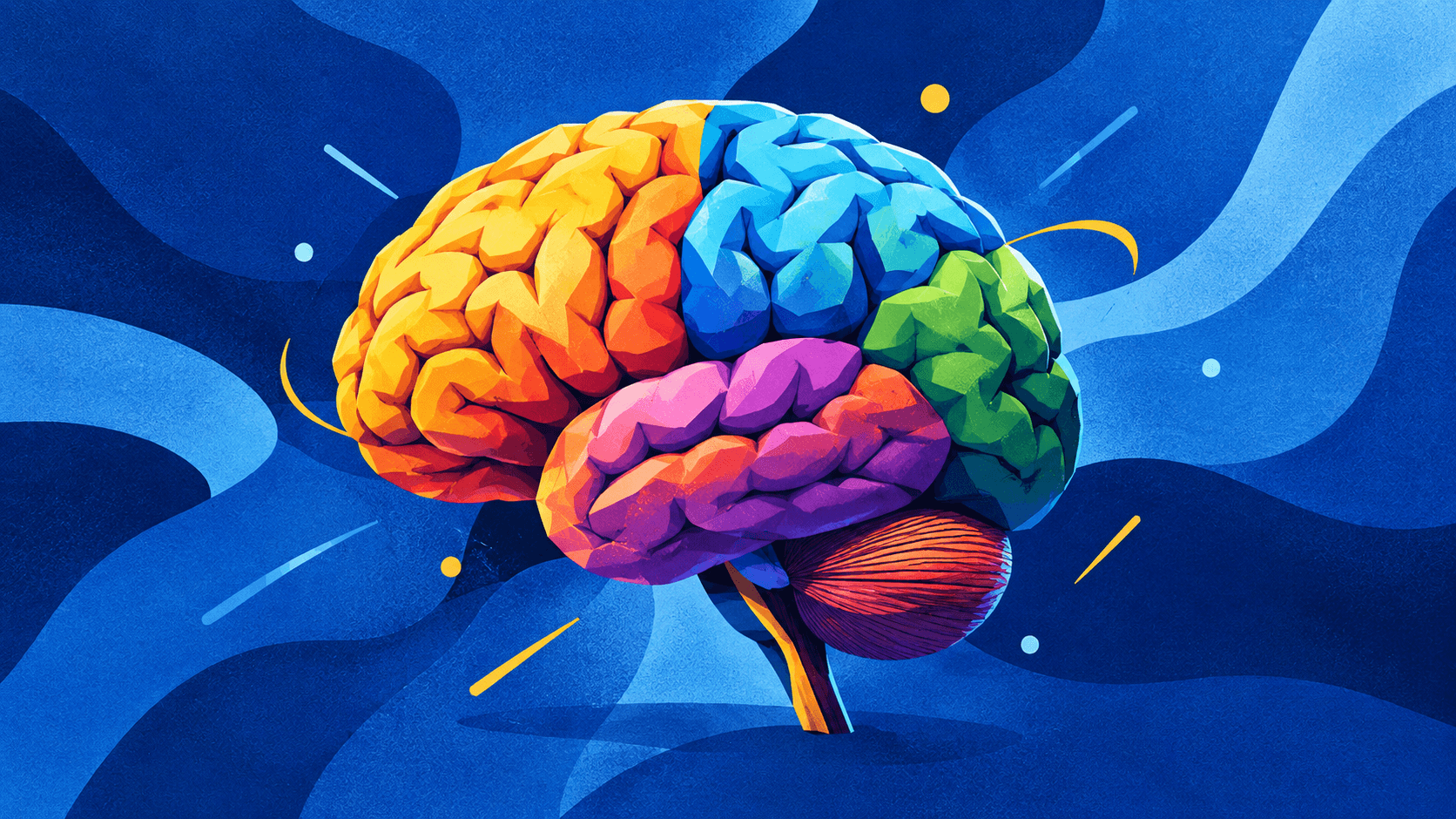
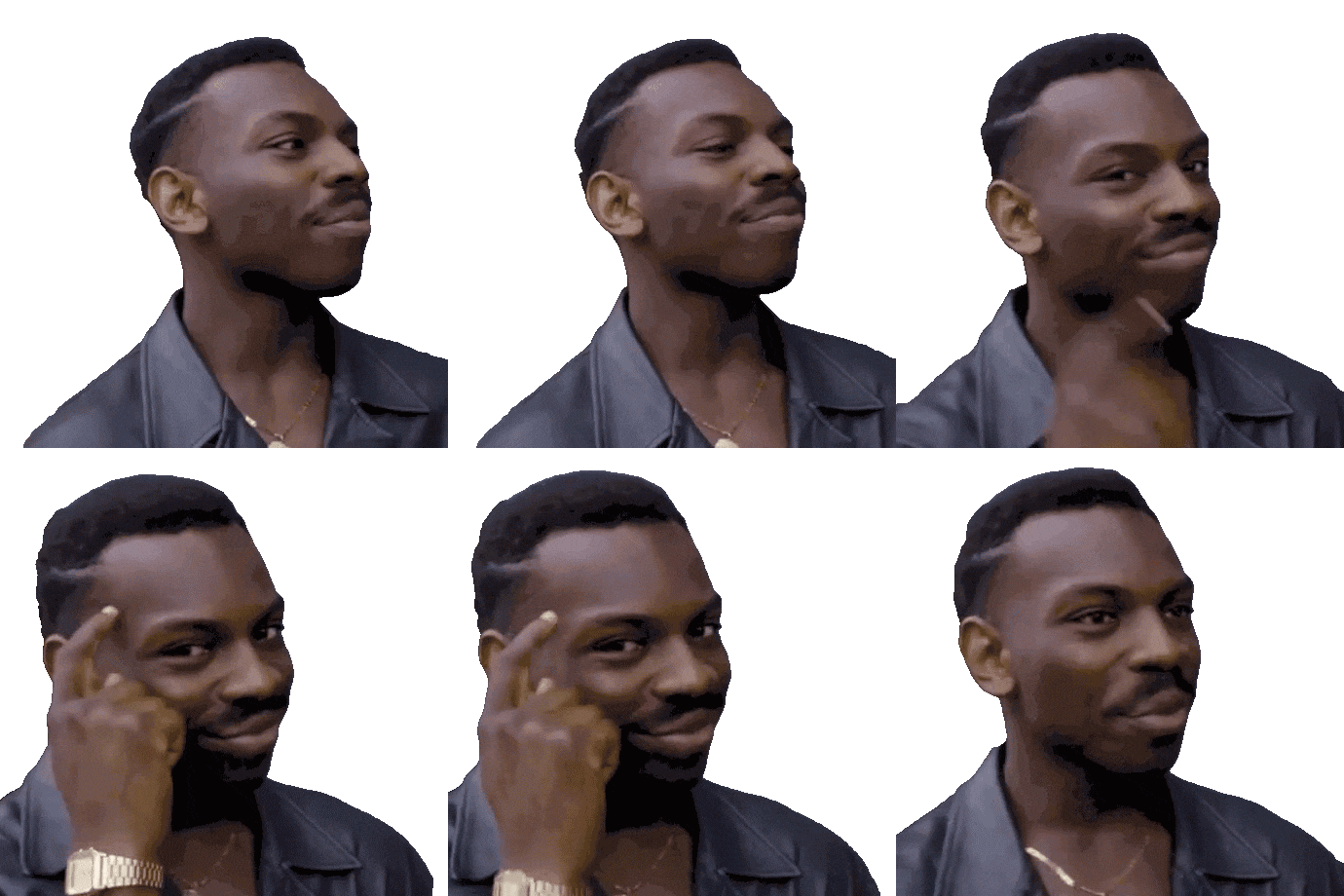
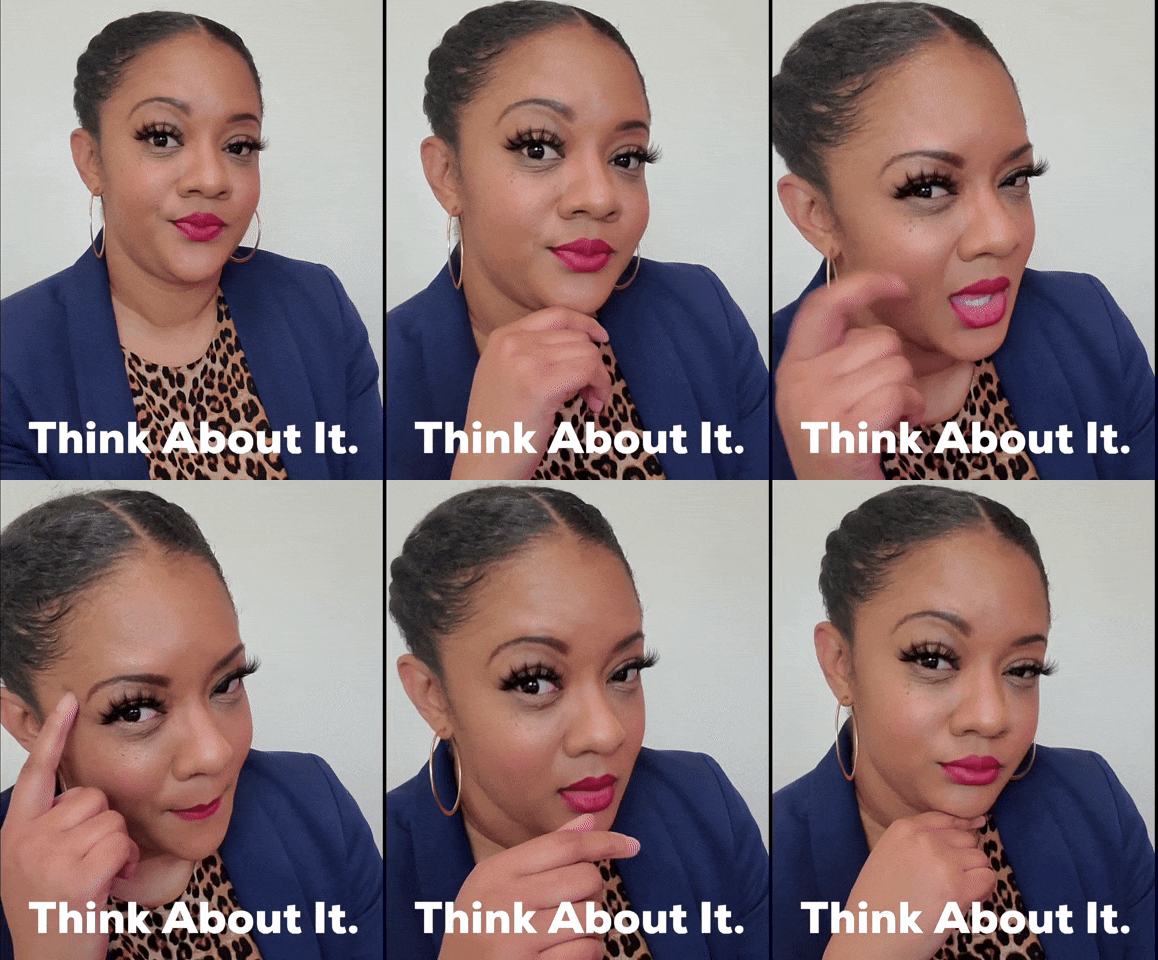
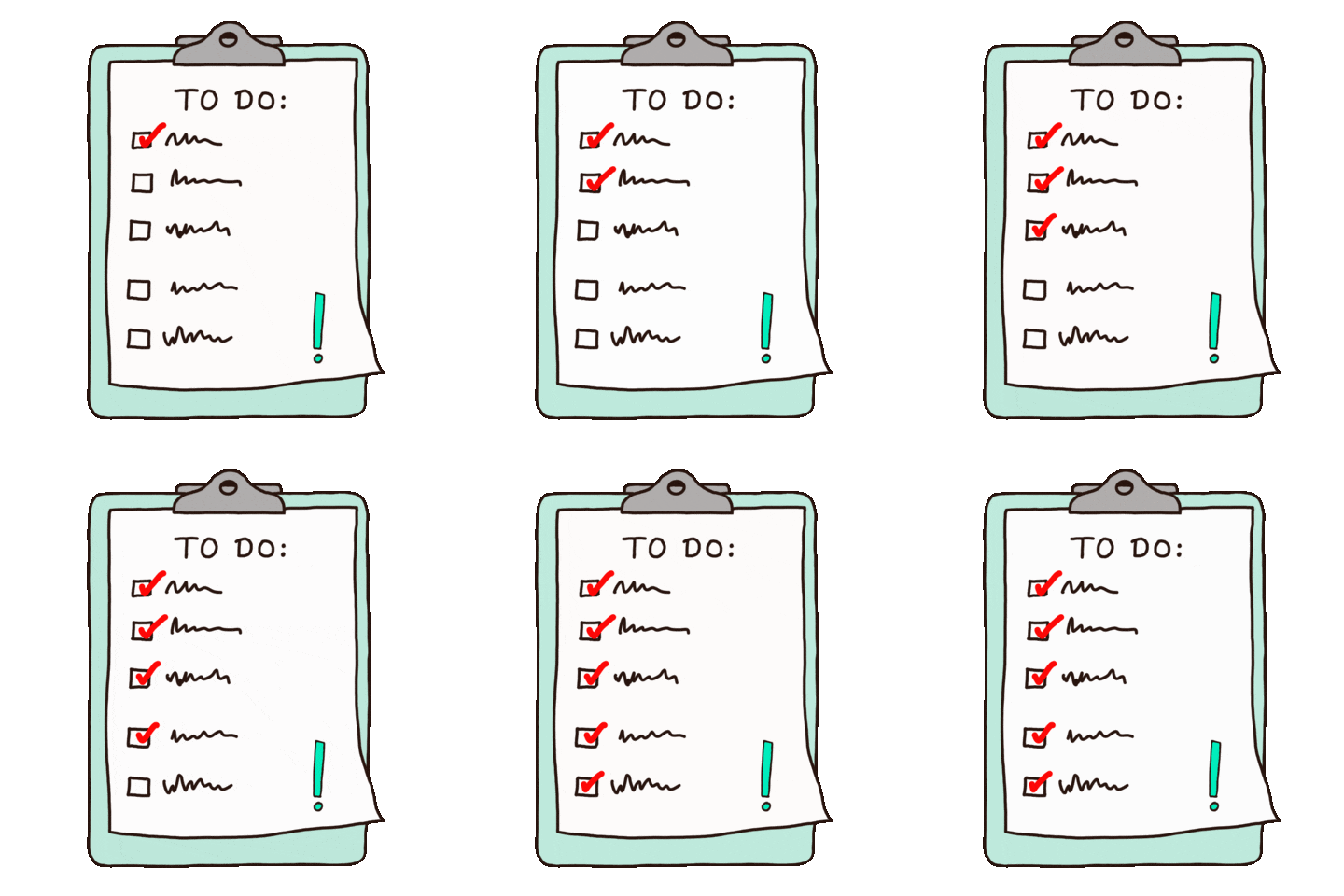
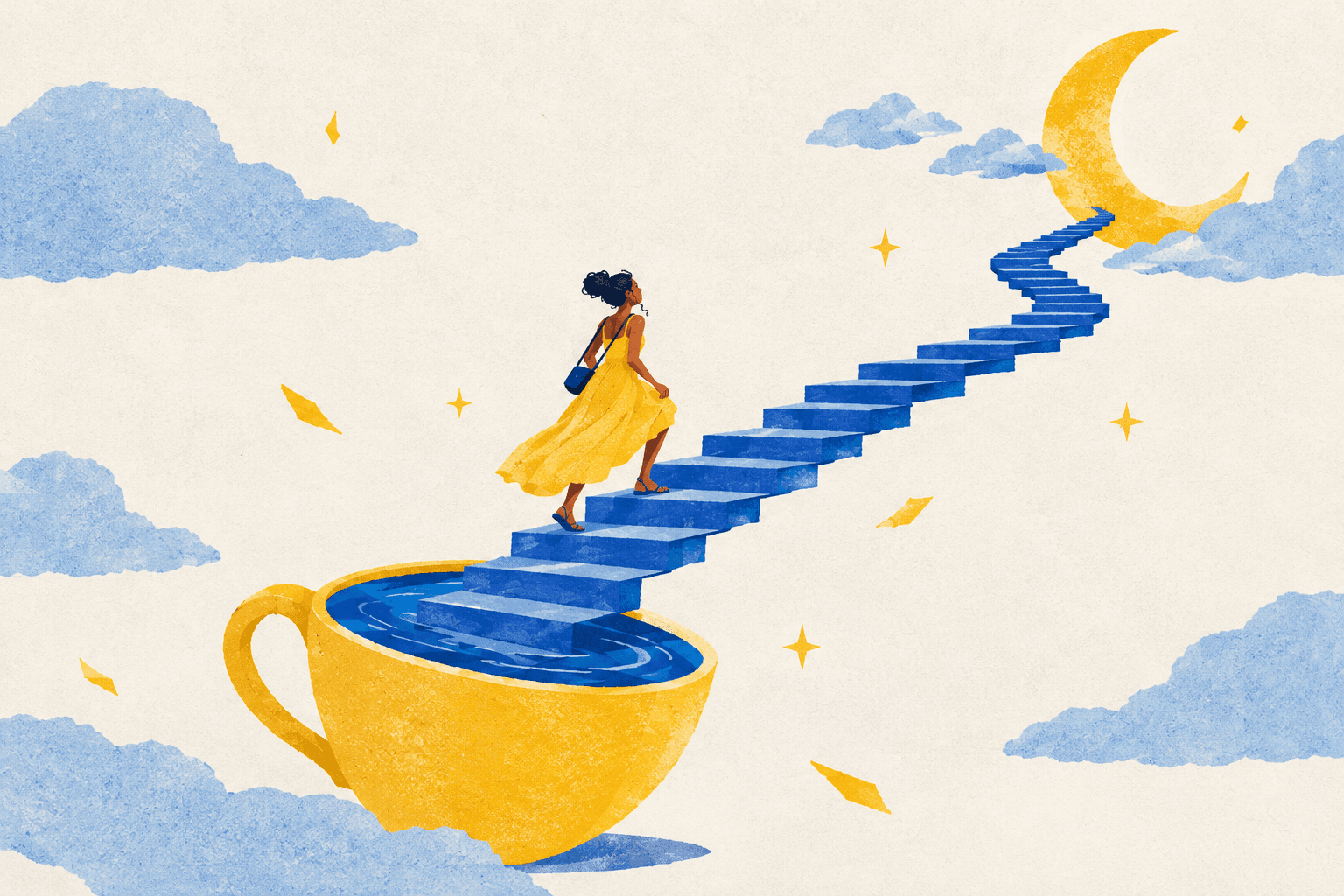
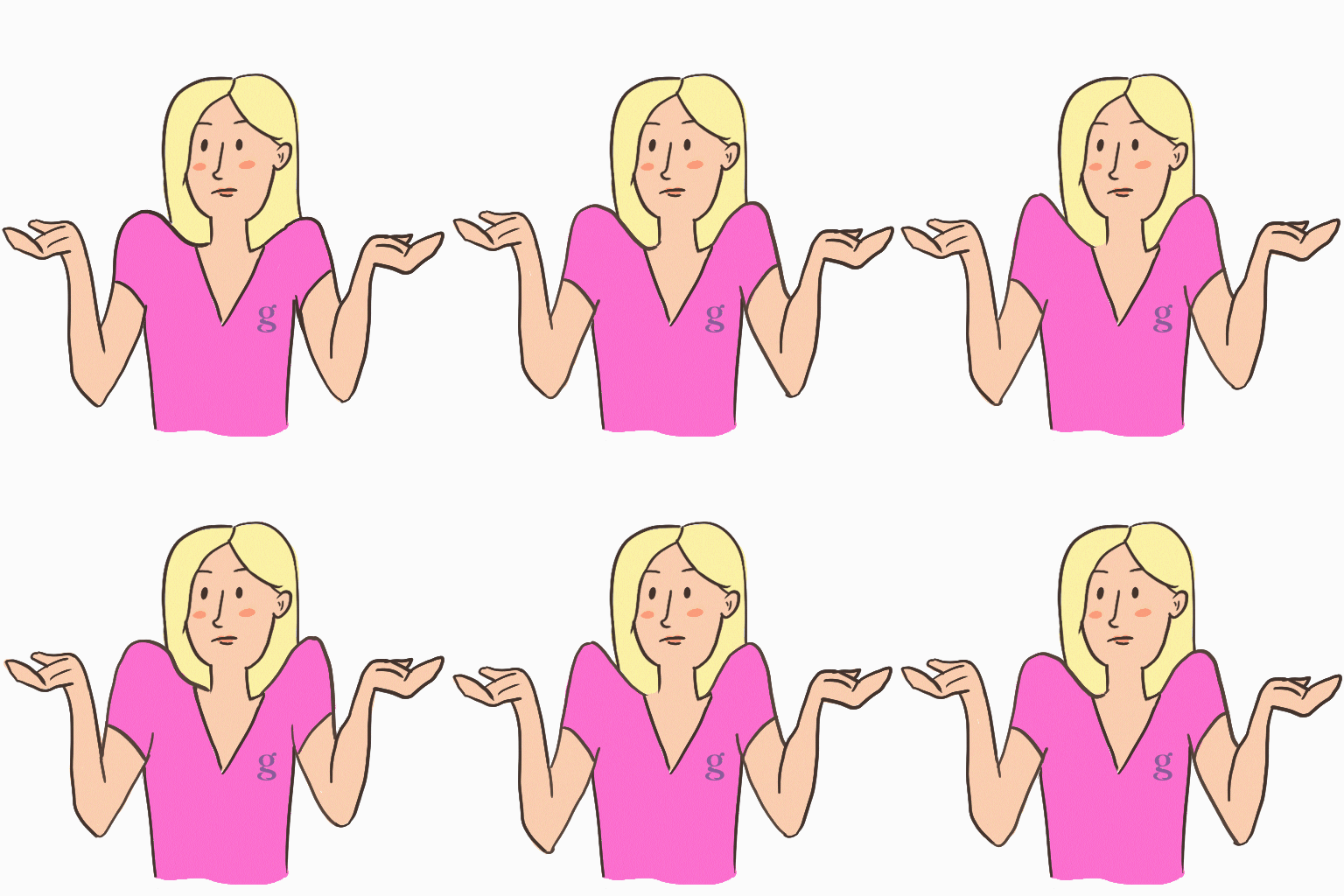
Close that book. Shut down that laptop. Forget that business idea. Stop learning that skill. Leave that assignment for tomorrow. And please, for the love of everything, stop trying.
Actually, you know what?
Give up tomorrow.
Because your brain has already given you several very convincing reasons to do it.
The funny thing is that most of us don't even realise what is happening.
You sit down to study and, somehow, your phone becomes extremely interesting. You suddenly remember that you haven't checked WhatsApp in 17 minutes. Then you check Instagram. Then TikTok. Then you watch one video. One video becomes seven. Suddenly, you are watching a man in India repair a 1998 Toyota engine, and you don't even own a Toyota.
You were supposed to study.
But your brain said, "Let's not do that."
And somehow, you listened.
I've done this too. More times than I'd like to admit.
Sometimes I'll sit down with the intention of getting serious work done, and after five minutes I'm already thinking, "I'm tired."
Tired from what?
I just sat down.
But that's where I started becoming interested in something.
Maybe the problem isn't always that the work is too difficult.
Maybe sometimes our brain simply doesn't like the feeling of doing something difficult.
And there is a reason for that.
Long before laptops, examinations, deadlines, Netflix, online courses and that one lecturer who enjoys giving surprise tests, humans had a much simpler problem.
Survive.
Imagine being an early human.
There is no Google.
There is no supermarket.
There is no Jumia.
There is no "I'll just order food."
If you are hungry, you need to find food.
If there is a dangerous animal nearby, you need to notice it.
If it is cold, you need to find a way to stay warm.
Humans eventually learned to hunt, make tools, control fire, build shelters and work together. Fire, for example, became incredibly useful because it gave humans warmth, light and a way to cook food.
Over thousands and thousands of years, humans kept finding ways to make life easier.
Tools helped us do things faster.
Machines helped us do things that would have required much more physical effort.
Technology reduced the amount of work we needed to do with our bodies.
And this is where I find the whole thing funny.
We have spent thousands of years trying to make life easier...
...and now we are complaining because our brains also want life to be easy.
Your brain is basically that friend who sees you carrying a heavy bag and says:
"Bro, why are you stressing yourself? Put it down."
Except now the "heavy bag" is your mathematics textbook.
Or your portfolio.
Or your business.
Or that programming course you promised yourself you would finish.
Or the 30 pages you need to read before tomorrow.
The brain is heavily involved in keeping us safe, conserving energy and responding to things that require effort. It also pays attention to immediate rewards because immediate rewards are, well... immediate.
Studying for three hours has a reward that comes later.
Checking TikTok has a reward that comes now.
And guess which one your brain finds more attractive in that moment?
Exactly.
The problem is that life doesn't always reward us immediately.
Sometimes you have to do something boring today so that you can enjoy the result months or years later.
And your brain isn't always excited about that arrangement.
Have you ever had an assignment that you kept postponing for three days?
Then one day you finally said, "Let me just do this thing."
You opened the document.
You started writing.
And 40 minutes later you were like:
"Wait... that's all?"
Same.
There have been things I've avoided because I imagined them being much harder than they actually were.
The hardest part was not doing the thing.
The hardest part was starting.
That's something I've noticed about difficult work.
Before you start, your brain imagines the entire mountain.
"Ah, this is going to take forever."
"I'm not in the mood."
"I'll do it later."
"I need to rest first."
"Maybe tomorrow."
"Let me just watch one video."
Then you finally begin, and suddenly the mountain becomes a few steps.
This doesn't mean your tiredness is always fake. You can genuinely be exhausted. You can genuinely need rest. Mental health, sleep, nutrition and physical health matter.
But there are also moments when what we call "I'm tired" is really "I don't feel like starting."
And those two things are not the same.
That difference changed the way I think about hard work.
Because sometimes the task isn't asking you to become a superhero.
It's just asking you to tolerate a little discomfort.
I've realised that telling yourself "I need more motivation" isn't always the answer.
Motivation is unreliable.
Some mornings you wake up feeling like you can conquer the world.
Other mornings, getting out of bed feels like a group project.
So instead of depending completely on motivation, make the work easier to start.
One way is to attach difficult things to things you already do.
If you already wake up every morning to jog, for example, you can attach another habit to that routine.
Maybe after your jog, you spend 30 minutes learning something.
If you already sit at your laptop every evening, don't wait until you "feel like designing."
Make opening Figma part of the routine.
The idea is simple: don't make your brain negotiate with you every single day.
Because your brain is a very good negotiator.
You say:
"I'll read for one hour."
Your brain says:
"How about tomorrow?"
You say:
"Just 30 minutes."
Brain:
"How about we start Monday?"
You say:
"Fine. Ten minutes."
Brain:
"Netflix?"
This is why routines can help. When something becomes familiar, you don't have to spend as much energy deciding whether to do it.
This one is underrated.
Your environment can either make a habit annoying or make it almost automatic.
If you want to read more, don't hide your books inside a bag under your bed like you're protecting government secrets.
Leave the book somewhere visible.
Put your pen beside it.
Keep your notebook there.
Maybe leave your laptop ready.
Make the place look like a place where reading happens.
If you always need to unpack everything before starting, you have already created five opportunities to say, "I'll do it later."
Sometimes we make things unnecessarily difficult for ourselves.
If you want to exercise, prepare your clothes before sleeping.
If you want to study, arrange your materials beforehand.
If you want to design, keep your workspace ready.
If you want to write, keep your notes where you can easily reach them.
Reduce the number of steps between you and the thing you want to do.
Because sometimes discipline isn't about becoming stronger.
Sometimes it's about removing unnecessary friction.
This is another thing I think we underestimate.
You don't always have to tell yourself:
"From today, I will study four hours every day."
My brother, who sent you that memo?
Start with 15 minutes.
Open the book.
Read two pages.
Write one paragraph.
Design one screen.
Watch one lesson.
Do one push-up if that's where you're starting.
The goal at the beginning isn't to impress yourself.
It's to teach yourself that starting isn't as painful as your brain made it look.
Then you can increase the workload.
One day, those 15 minutes become 30.
30 becomes an hour.
And eventually, something that once felt impossible becomes normal.
That's how many things work.
We don't always become disciplined because we suddenly discover some magical version of ourselves.
Sometimes we just repeat a small action until it stops feeling strange.
We think successful people wake up every morning excited to work.
Maybe some do.
But I seriously doubt everyone does.
There are days when they probably don't want to.
There are days when the work is boring.
There are days when they question whether the whole thing is worth it.
The difference isn't necessarily that they have discovered a secret brain that loves suffering.
They have simply learned that "I don't feel like doing this" is not always a good reason not to do it.
And honestly, I think that's one of the most important things I've had to learn.
Your feelings are real.
But they are not always instructions.
Feeling lazy doesn't mean you should stop.
Feeling uncomfortable doesn't mean you're doing the wrong thing.
Feeling bored doesn't mean the work is useless.
And feeling like you can't do something doesn't automatically mean you can't.
Sometimes it simply means you're standing at the part where your brain would prefer that you turn around.
Well...
Remember the title.
I told you to give up.
And I still think you should.
Give up on expecting everything important to feel easy.
Give up on waiting until you're motivated.
Give up on thinking every productive day has to feel amazing.
Give up on believing that discomfort automatically means you're failing.
And maybe, most importantly, give up on the idea that because something feels hard, it must actually be impossible.
Because sometimes the work isn't asking you to be extraordinary.
It is asking you to sit down.
To start.
To do the first page.
The first design.
The first line of code.
The first paragraph.
The first 10 minutes.
Then another 10.
Then another.
Your brain may complain.
Let it complain.
It doesn't get to make every decision.
Because if humans had always stopped whenever something was uncomfortable, we probably wouldn't have gotten very far.
We wouldn't have built tools.
We wouldn't have learned to control fire.
We wouldn't have built cities.
We wouldn't have crossed oceans.
We wouldn't have invented machines.
And we definitely wouldn't have invented group assignments.
Some things are difficult.
That's true.
But difficulty isn't always a warning sign.
Sometimes...
It's just the entrance fee.
So if you're currently working on something that matters to you, and your brain is screaming, "This is too hard. Let's do it tomorrow"...
Maybe don't listen immediately.
Sit down.
Do five minutes.
Then see what happens.
You might discover that the mountain wasn't actually as big as your brain made it look.
And if you still want to give up after that?
Well...
At least finish the five minutes first.
Then we can talk.
About the author
Oluwa_techie🚀
Critical overthinker. I turn random thoughts, life experiences, movies, and pop culture into stories that might make you laugh, question yourself, or send them to a friend. Either way, welcome to my corner.
Korner effect
We no expect you to dey come here everyday dey refresh the page — only Kappy get that kind time. Tell us how to reach you — email, phone notification, or both — and we go find you whenever we drop a new stori.
or
No time to dey check mail? Click Notify me and we go ping you directly on your device whenever we drop a new stori — no inbox, no wahala. iPhone users, you go need to add this site to your home screen first: open in Safari, tap the share icon, select “Add to Home Screen”, then come back and click the button.